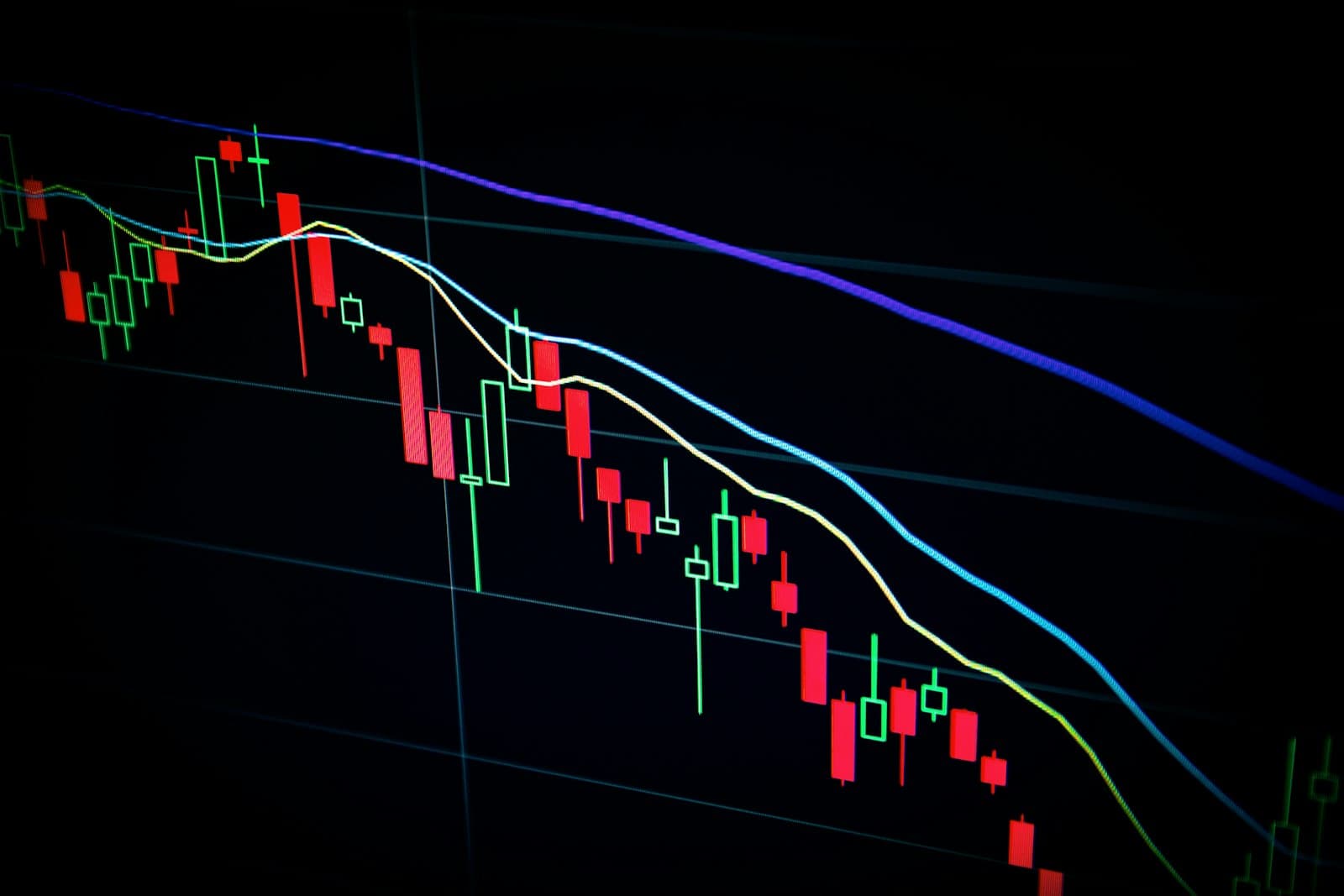
Why a confident signal can still say HOLD
When the agents agree but the system waits, that gap is the most useful thing on the screen. It usually means a risk check saw something the vote did not.

Eizy is in development. Product features described here are planned and may change before launch. These articles provide general information, not personal financial advice.
It is one of the most common questions we get, and it usually arrives with a note of frustration attached. The council is almost unanimous, the confidence reading is high, every lens is pointing the same way — and the signal still says HOLD. What gives? Why would the system talk itself up and then refuse to act?
The short answer is that agreement and permission are two separate gates, and a trade has to pass both. The agents decide whether there is a case. The risk and quality layer decides whether that case can survive contact with the actual market right now. A confident HOLD is what you see when the first gate opens and the second one does not.
A vote is about direction, not feasibility
When the agents vote, they are answering a question about what price is likely to do. They are not checking whether you can get filled at a sane price, or whether the book is deep enough to get back out, or whether the data they relied on is still fresh. Those are different questions, and they are the ones the quality layer exists to ask.
So you can arrive at a situation where the directional read is excellent and the trade is still a bad idea. The move looks real, but the liquidity to participate in it is not there. That is not a contradiction. It is the system being honest about the difference between being right and being able to act on being right.
What the quality layer is actually looking at
A handful of checks do most of the vetoing, and each maps to a way that an enthusiastic entry quietly turns into a loss:
- Liquidity. If the order book is thin, your own entry moves the price against you, and your exit moves it further. A great setup in an illiquid market is a trap with good manners.
- Spread. A wide gap between bid and ask is a toll you pay twice, once going in and once coming out. On a short-horizon trade that toll can eat the entire expected edge.
- Sell pressure. Persistent one-sided flow can overwhelm an otherwise clean technical picture. The chart says up; the tape says someone large is leaving.
- Stale or missing data. If a feed has gone quiet, the honest move is to decline rather than to act on a picture that may already be wrong.
The agents tell you where the market might go. The quality checks tell you whether you can actually get there and back without the trip costing more than the destination is worth.
Why waiting is a position
There is a deep habit, especially among newer traders, of treating HOLD as a non-event. Nothing happened, so there is nothing to learn. But choosing not to trade is itself a decision, and often the most profitable one available. The trades you skip because the conditions were wrong never show up in your P&L, which is exactly why they are so easy to undervalue. You only feel the losses you take, not the ones you avoided.
A confident HOLD is the system doing that avoidance for you, and showing its work while it does. If you read the reasoning, you will usually find a specific culprit — the spread blew out, liquidity dried up, a feed went stale. That is a far more useful piece of information than a simple green arrow would have been, because it teaches you what the market looks like when a good idea is not a good trade.
What to do when you see one
Resist the urge to override it just because the chart is tempting. The chart is what convinced the agents in the first place; it is not new information. Instead, note what the veto flagged and watch for it to clear. Thin liquidity fills back in. Spreads tighten when volume returns. A stale feed comes back online. Often the best version of the same trade is available a little later, once the conditions have caught up with the idea.
And sometimes the conditions never clear, the move happens without you, and you feel the sting of having been right and sidelined. That sting is real, but it is the cost of a discipline that keeps you out of the far more expensive version — being wrong about feasibility and finding out with real size on. Over a long run of trades, the system that respects the second gate keeps more of what the first gate earns.