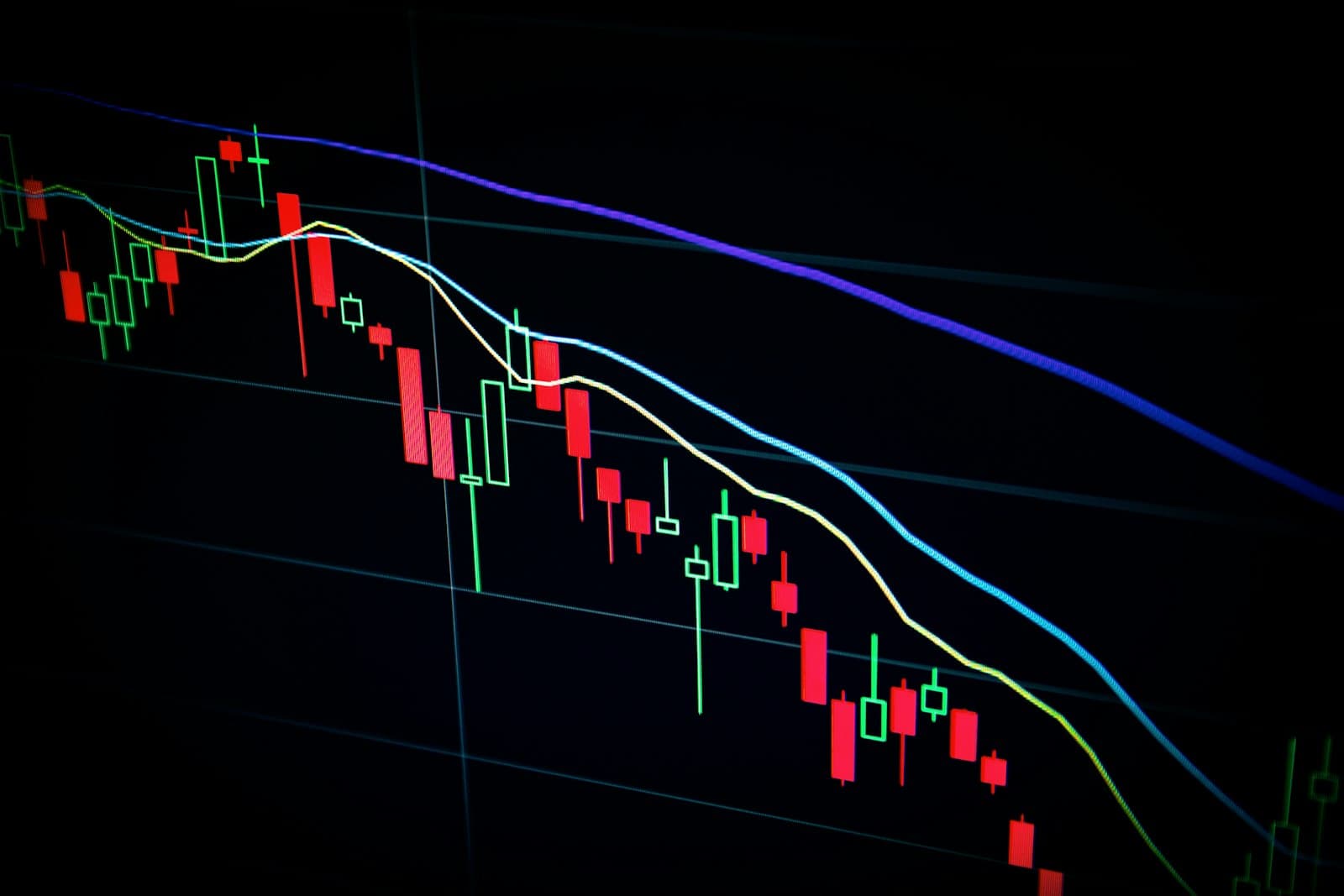
The psychology of holding through a drawdown
The hardest part of a good strategy is the stretch where it isn't working. What a drawdown does to your mind, and how to keep from sabotaging yourself.
Eizy is in development. Product features described here are planned and may change before launch. These articles provide general information, not personal financial advice.
Every strategy worth trading will, at some point, stop working for a while. Not because it is broken, but because that is how edges behave. They win over hundreds of trades, not every ten. The stretch in between — where you are following your plan faithfully and the account is still going down — is called a drawdown, and it is where most traders quietly destroy themselves. Not through bad analysis, but through what the drawdown does to their heads.
The technical side of trading gets almost all the attention, and the psychological side gets treated as a soft afterthought. This is backwards. Plenty of people know what they should do. Far fewer can actually do it while watching their money shrink day after day. The gap between knowing and doing is where real money is lost, and a drawdown is the machine that pries that gap wide open.
What a losing streak does to you
Losses do not land on a neutral mind. There is solid evidence that a loss hurts roughly twice as much as an equivalent gain feels good. So a run of losses is not just a numerical setback; it is an accumulating emotional debt. Each one chips at your confidence and raises the volume of a very persuasive voice suggesting that this time really is different, that the strategy is finished, that you should do something.
The urge to act is strongest at exactly the moment when acting is most likely to be a mistake. A drawdown's cruellest trick is that it feels like a signal when it is usually just variance.
And so people change things. They abandon a working strategy at the bottom of its normal cycle, right before it would have recovered. They double their size to "win it back," turning a routine drawdown into a catastrophic one. They go looking for a new system, which will itself have drawdowns, which they will also abandon. The pattern is always the same: the market's normal noise gets reinterpreted as a personal emergency, and the emergency response does the real damage.
Separate the process from the outcome
The single most useful mental shift is to stop judging yourself by results and start judging yourself by whether you followed your plan. In a game of probabilities, you can do everything right and still lose, and you can do everything wrong and still win. If you tie your sense of having traded well to the outcome of any individual trade, you are handing your discipline over to randomness.
A good trade is one that followed your rules with correct sizing and a defined exit, regardless of whether it made money. A bad trade is one that broke your rules, even if it happened to profit. Judge the process. The results are the market's department, and over a long enough run a sound process is what produces them. But only if you are still running it when the run finally turns.
Practical defences
You cannot think your way out of an emotional state in the middle of it. The defences have to be built beforehand, when you are calm:
- Know your strategy's normal pain in advance. If your testing showed drawdowns of 20% and losing streaks of eight, then a 15% dip and five losses is not a crisis. It is Tuesday. Expected pain is far easier to sit through than surprising pain.
- Size so the drawdown is survivable. Most panic is really a sizing problem wearing an emotional mask. If a normal losing streak threatens your account, you were too big, and no amount of willpower fixes that.
- Automate the discipline you cannot be trusted with. Pre-set stops and position limits make the calm version of you overrule the stressed version. Letting the system hold the line is not weakness; it is knowing yourself.
- Step back from the screen. Staring at a red account all day does nothing but deepen the emotional debt. Watching more closely does not make a drawdown end sooner.
The traders who last are not the ones who feel no fear during a drawdown. They feel it the same as everyone else. They have simply arranged things so that their fear does not get to make decisions — through sizing that keeps the pain bearable, through rules decided in advance, and through a stubborn refusal to confuse a normal rough patch with a reason to blow up the plan. The strategy survives the drawdown only if the trader does, and surviving is mostly a matter of what you built before the hard part arrived.